Stormwater Sewage Contamination Testing in Urban Catchments: Derwent Estuary Program
Urban stormwater networks were not designed to carry sewage. But in cities with ageing infrastructure, sewer infiltration into stormwater drains is common and often goes undetected until microbial contamination reaches recreational waterways or estuaries downstream.
The challenge for councils and water utilities is straightforward to describe but difficult to solve: standard bacterial indicators like Enterococci and E. coli confirm that faecal contamination exists in a waterway, but they cannot identify whether the source is human. Wildlife, pets, and birds all contribute to elevated FIB counts.

Sewer Infiltration in Stormwater: A Persistent Urban Water Quality Challenge
Without source discrimination, stormwater sewage contamination testing becomes an exercise in guesswork - expensive interventions may be misdirected, and the actual infrastructure failure goes unresolved.
The Derwent Estuary Program (DEP) faced exactly this problem as part of its 2024-2025 Stormwater and Rivulet Monitoring Program. Sewer traces in stormwater systems across Greater Hobart were suspected but conventional monitoring couldn't confirm the source.
Conventional FIB testing tells you contamination is present. It cannot tell you whether you're dealing with a sewer overflow, a leaking septic system, or wildlife activity. That distinction determines every downstream remediation decision.
Rapid Molecular Stormwater Sewage Contamination Testing with ZiP-Bactx-P2
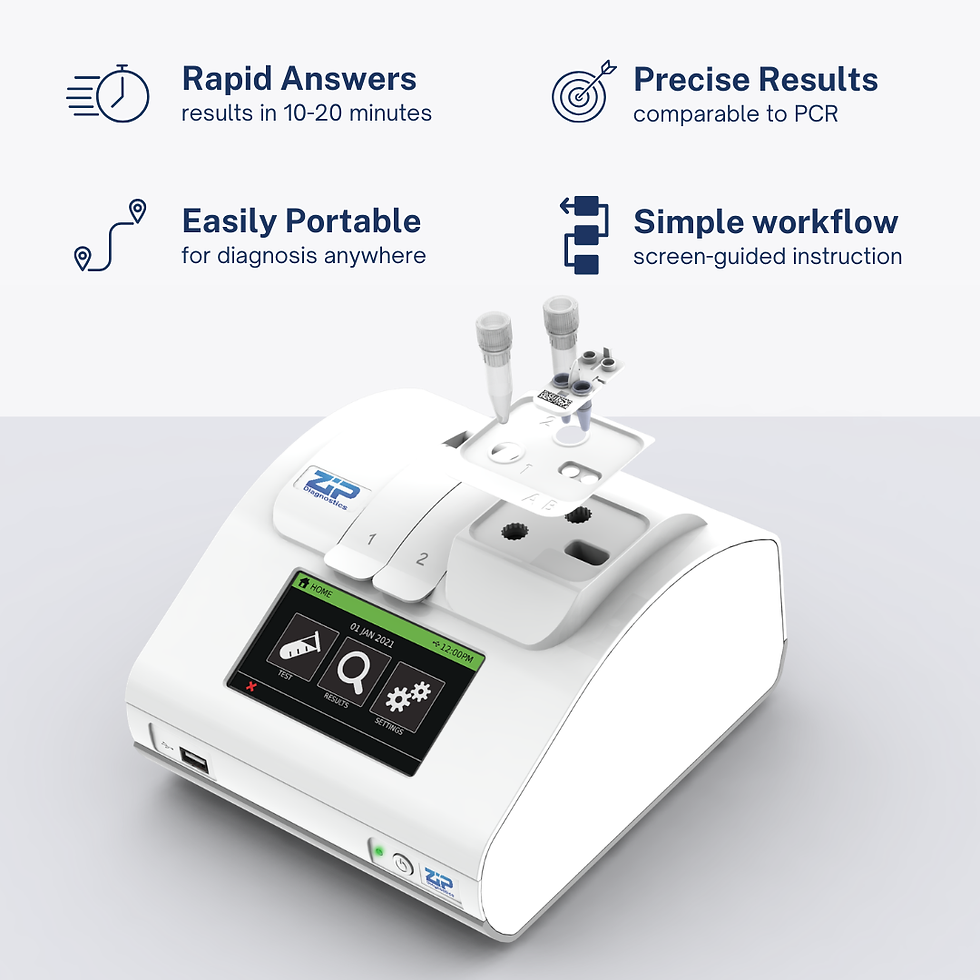
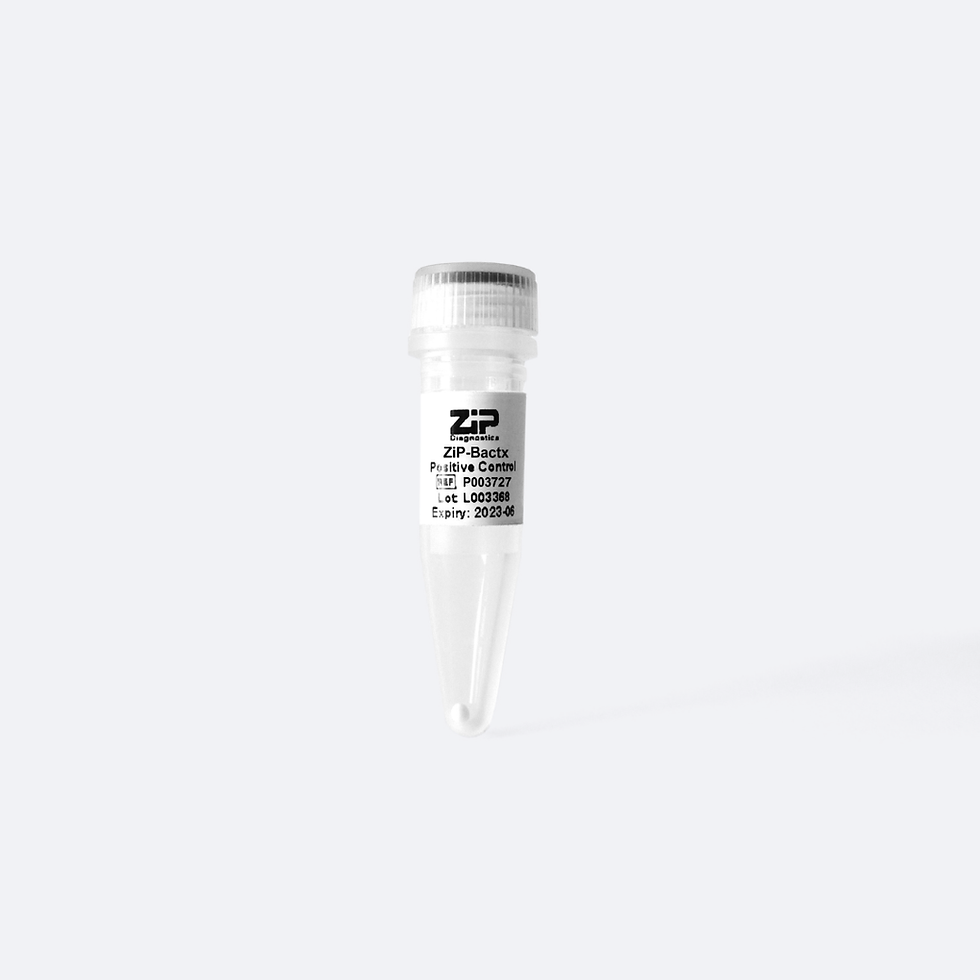
DEP partnered with ZiP Diagnostics to deploy the ZiP-Bactx-P2 test across a network of urban stormwater and rivulet sites. The test detects Bacteroides dorei using the HF183 16S rRNA genetic marker - a DNA sequence uniquely specific to the human gut microbiome. A positive result means human faecal material is present. A negative result rules it out, even when Enterococci counts are high.
Monitoring design
The program ran across two parallel streams over six months:
All testing was conducted on-site using the ZiP-P2 instrument. Screen-guided operation requires minimal training. Automated self-tests and external batch QC materials are built in, ensuring result integrity in field conditions.
Key Findings: Human Sewage Confirmed in Urban Stormwater
Stormwater sites that returned a positive result for Bacteroides dorei consistently showed elevated levels of Enterococci and E. coli alongside. That strong co-occurrence across both monitoring programs points to human faecal contamination as a primary driver of microbial pollution in those systems - not wildlife or surface runoff alone.
This result builds on earlier methods developed at DEP using ammonia test kits, offering a more direct molecular line of evidence. Where ammonia testing flagged possible sewage presence, Bacteroides dorei testing provides specific, DNA-level confirmation of human origin.
What This Means for Urban Catchment Management
The findings from this program illustrate exactly why stormwater sewage contamination testing needs to go beyond conventional FIB monitoring. When a stormwater site tests positive for both Bacteroides dorei and elevated Enterococci, councils have a clear basis to direct sewer inspections and infrastructure repair work to that location. Without the human-specific marker, those resources could easily be misdirected toward sources - wildlife, dogs, birds - that conventional monitoring cannot distinguish.
Practical applications for councils and water utilities
Adding complementary tools to detect non-human faecal sources alongside ZiP-Bactx-P2 would allow for an even more complete assessment of recreational water quality particularly in mixed-source catchments where both animal and human contamination are present.
Technical Specifications
Conclusion
Rapid, field-deployable stormwater sewage contamination testing is no longer a specialist research capability. The Derwent Estuary Program's 2024-2025 monitoring program demonstrates that molecular diagnostics for human-specific faecal markers can be routinely integrated into existing catchment management workflows - delivering actionable results in minutes, not days.
For councils and water utilities managing urban stormwater networks, the ability to confirm human sewage at a specific site and do so in real time represents a material improvement in how contamination events are investigated and resolved.
ZiP-Bactx-P2 does not replace conventional FIB monitoring. It makes it more useful by answering the question that standard testing cannot: is this contamination coming from a human source?