Faecal Indicator Bacteria Testing at Kingborough City Council's Beach Watch Program
Kingborough City Council operates within the Derwent Estuary Program (DEP) - a coordinated water quality monitoring effort across six Tasmanian councils, managed with the Department of Health (DoH) and EPA Tasmania. Its core purpose is protecting recreational water safety in the estuary's beaches and bays.
For years, Beach Watch monitoring at these sites relied on standard faecal indicator bacteria (FIB) measurements: Enterococci and E. coli counts. These methods confirm that faecal contamination is present but they cannot tell you whether it came from a human, a dog, wildlife, or livestock. That distinction is operationally critical.

The Limits of Traditional Faecal Contamination Testing
Sources of contamination at Kingborough sites were suspected to include both animal and human origins. Without a way to discriminate between them, councils faced a difficult question: where should remediation effort and expenditure be directed?
Enterococci above recreational safety thresholds does not mean human sewage is present. Acting on that assumption without molecular source confirmation risks misallocating remediation resources and delaying real fixes.
Rapid Faecal Indicator Bacteria Testing for Human Source Discrimination
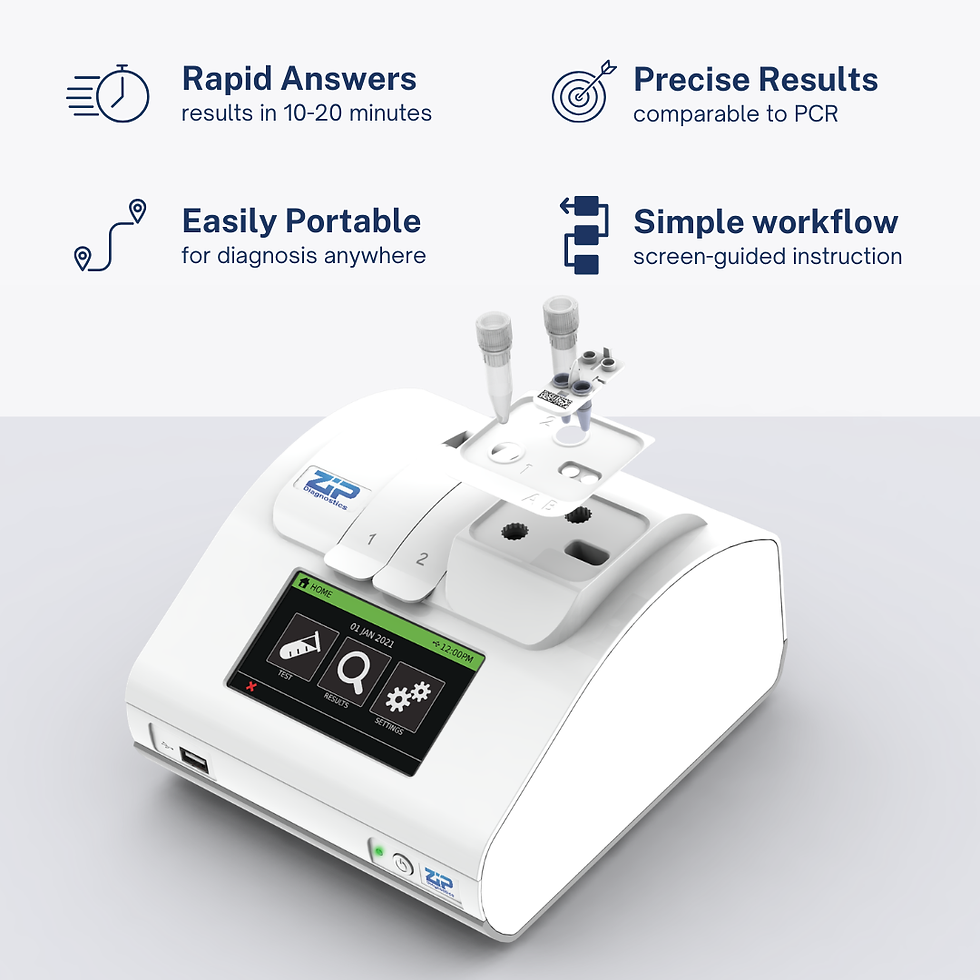
DEP partnered with ZiP Diagnostics to deploy the ZiP-Bactx-P2 test - a rapid, field-deployable molecular diagnostic assay that specifically detects Bacteroides dorei using the human-associated HF183 16S rRNA genetic marker. Unlike conventional FIB measurements, this test targets DNA that is uniquely abundant in the human gut microbiome. Animal faecal sources do not produce a positive result.
Why Bacteroides dorei matters for source tracking
Bacteroides dorei is a bacterium abundant in the normal human gut. Its HF183 marker is highly specific to human-derived faecal material. Detection in water indicates likely contamination from sewer overflows, failing septic systems, stormwater carrying sewage traces, or other human wastewater sources - not from dogs, birds, or livestock.
Assessment design
The assessment covered two parallel environments over an 8-week period:
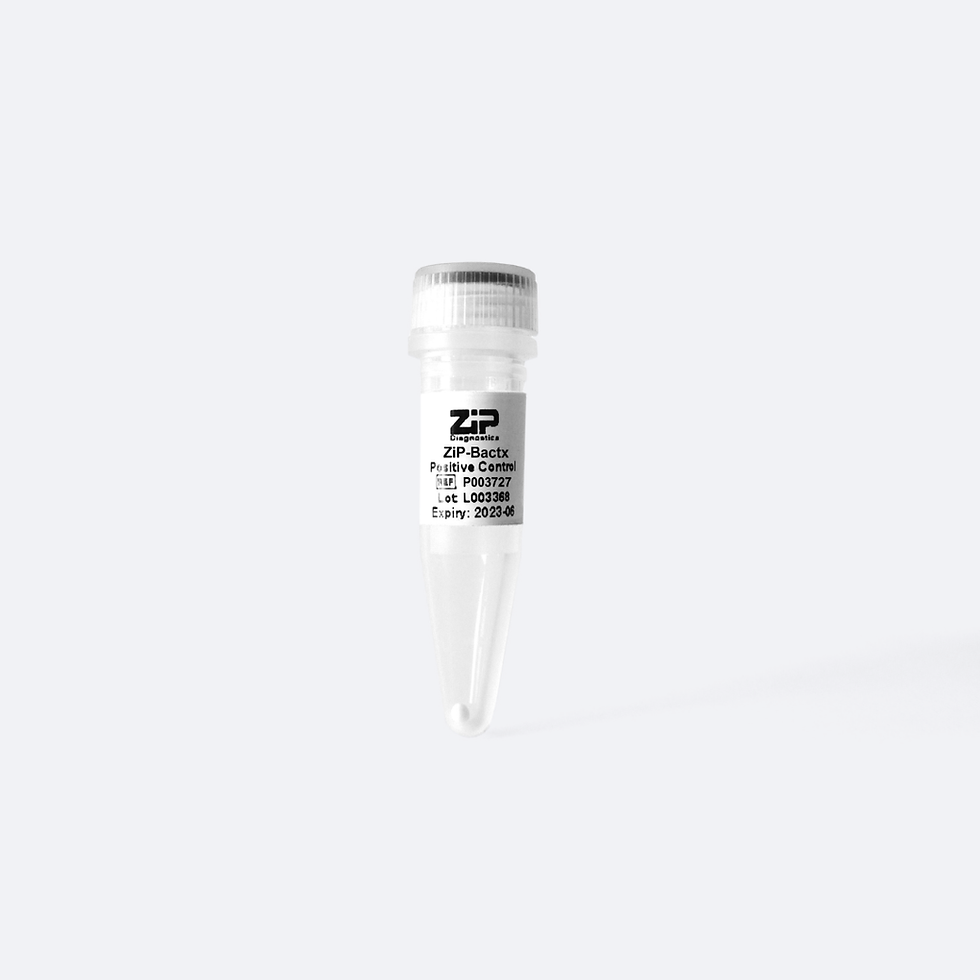
All tests were performed on-site using the ZiP-P2 instrument. The screen-guided workflow requires minimal training. Built-in quality control includes automated self-tests and external batch verification materials.
Key Findings: Beach Sites vs Stormwater Outfalls
This finding is significant. Elevated Enterococci counts at recreational beach sites were overwhelmingly associated with animal faecal contamination, not human sewage. Acting on Enterococci data alone would have prompted unnecessary human-source investigations.
Stormwater outfalls: a different picture
At all three stormwater outfall sites, a positive Bacteroides dorei result correlated directly with elevated Enterococci levels. That strong co-occurrence points to human faecal contamination as a primary driver of microbial pollution in those systems - likely from sewer infiltration into stormwater infrastructure.
The same elevated Enterococci reading means very different things at a beach vs a stormwater outfall. The Bacteroides dorei faecal indicator bacteria test makes that distinction in real time, directly in the field.
What This Means for Councils and Water Quality Teams
The results from Kingborough offer a clear operational lesson: conventional faecal indicator bacteria monitoring and human-specific source tracking serve different purposes, and both have a role in managing recreational water safety.
Enterococci and E. coli remain important public health benchmarks. They capture contamination from all sources, which matters for assessing overall exposure risk at beaches. But when a contamination event triggers a response decision, knowing whether the source is human or animal determines the entire direction of that response.
When faecal source tracking adds the most value
Technical Specifications
Conclusion and Future Applications
The Kingborough Beach Watch assessment demonstrates that rapid Bacteroides dorei testing is a high-value tool for councils, catchment management authorities, and water utilities particularly for stormwater and catchment investigations where identifying human sewage contamination can directly drive infrastructure response.
Used alongside conventional FIB monitoring, the test provides a layer of source discrimination that traditional methods cannot offer. For beach surveillance in isolation, its applicability is more targeted: it does not detect non-human faecal sources, which remain relevant to overall recreational water quality risk.
As climate change, population growth, and ageing infrastructure put increasing pressure on waterway systems, rapid field-deployable molecular diagnostics offer councils a more precise and responsive toolkit for protecting public health.